
Tongue Vibrators: What They Are and How to Choose One
Learn what tongue vibrators are, how they work, and how to choose the right one for your pleasure. Expert guide to tongue-style toys.
 Zoe Clarke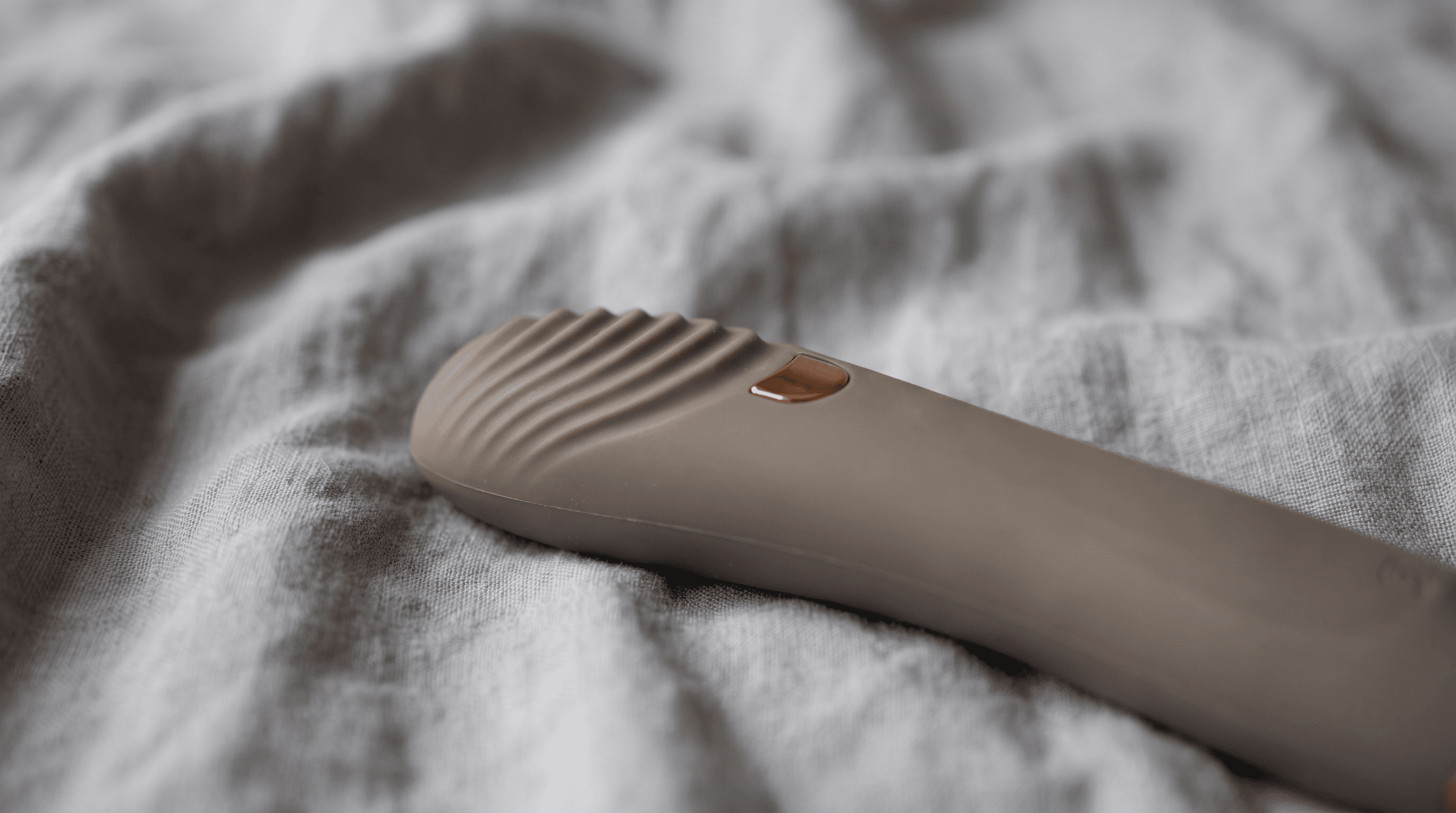
Introduction to Tongue Vibrators
The first time someone in my group chat sent me a TikTok about a tongue vibrator, I was skeptical. The video showed it next to a lipstick, making it hard to tell if it was a real product or just another viral gimmick.
A tongue vibrator is a sex toy designed to mimic the sensations of oral stimulation — the gentle licking, flicking, and fluttering motion of a real tongue. Unlike standard vibrators that rely on steady vibration patterns, tongue vibrators use a soft, flexible tongue-shaped tip that moves in ways meant to replicate oral play. The appeal is straightforward: if you enjoy oral stimulation, a tongue vibrator offers a way to recreate that sensation on your own terms.
These toys sit in their own category, separate from bullet vibrators or air-pulse stimulators. The distinction matters because the sensation is fundamentally different — it's less about intensity and more about the specific motion pattern. For beginners exploring sex toys, understanding this difference helps set realistic expectations about what the toy will actually feel like.
What Makes Tongue Vibrators Different
The defining feature is the movement. Most tongue vibrators use a motorized mechanism to create a licking or fluttering motion, rather than the steady buzz of a traditional vibrator. The tip is usually made from soft silicone and shaped to mimic the texture and flexibility of a tongue. Some models add vibration on top of the licking motion, while others stick to movement alone.
The design tends to be compact and discreet — many look more like lipstick tubes or small cosmetic items than traditional sex toys. This makes them easy to store and travel with, which is part of the appeal for first-time buyers who aren't ready to commit to something larger or more obvious.
The market for tongue vibrators has grown in the last few years, largely driven by social media and word-of-mouth recommendations. What started as a niche product category has become a legitimate option for people who want something different from the standard vibrator lineup. The key is knowing what you're actually getting — and what you're not.
Understanding the Need for Tongue Vibrators
Most people buy tongue vibrators because they want that specific fluttering sensation — the one that mimics oral play but doesn't require another person. That's the entire point of the category. But here's what most beginners get wrong: they expect tongue vibrators to work like bullet vibrators with a different shape. They don't. The motor pattern, the contact surface, and the way you hold them are all different.
The confusion starts with how tongue vibrators are marketed. Some retailers lump them in with finger vibrators or clitoral toys, which misses the nuance. A tongue vibrator offers a fluttering motion that many people find more lifelike than the steady buzz of a traditional vibrator. If you're looking for that particular sensation, nothing else in the toy drawer will do the same job.
Another thing beginners don't realize: tongue vibrators come in wildly different formats. Some are handheld toys with a silicone tongue tip. Others are tongue ring vibrators — actual body jewelry designed to fit a tongue piercing, with a built-in motor for enhanced sensation during partnered play. The handheld version is what most people mean when they say "tongue vibrator," but the piercing style exists and serves a completely different use case.
The real challenge is figuring out which type matches what you're actually trying to do. If you want solo clitoral stimulation with a licking motion, you're looking at handheld tongue-style toys. If you're interested in enhancing partnered oral play and you have a tongue piercing, the ring version is the one. Mixing these up is common, and it's why so many first-time buyers end up with the wrong product.
If you're still figuring out what kind of toy works for you in general, check out our beginner sex toys guide — it covers the broader landscape before you commit to a niche category like tongue vibrators.
How to Choose the Right Tongue Vibrator
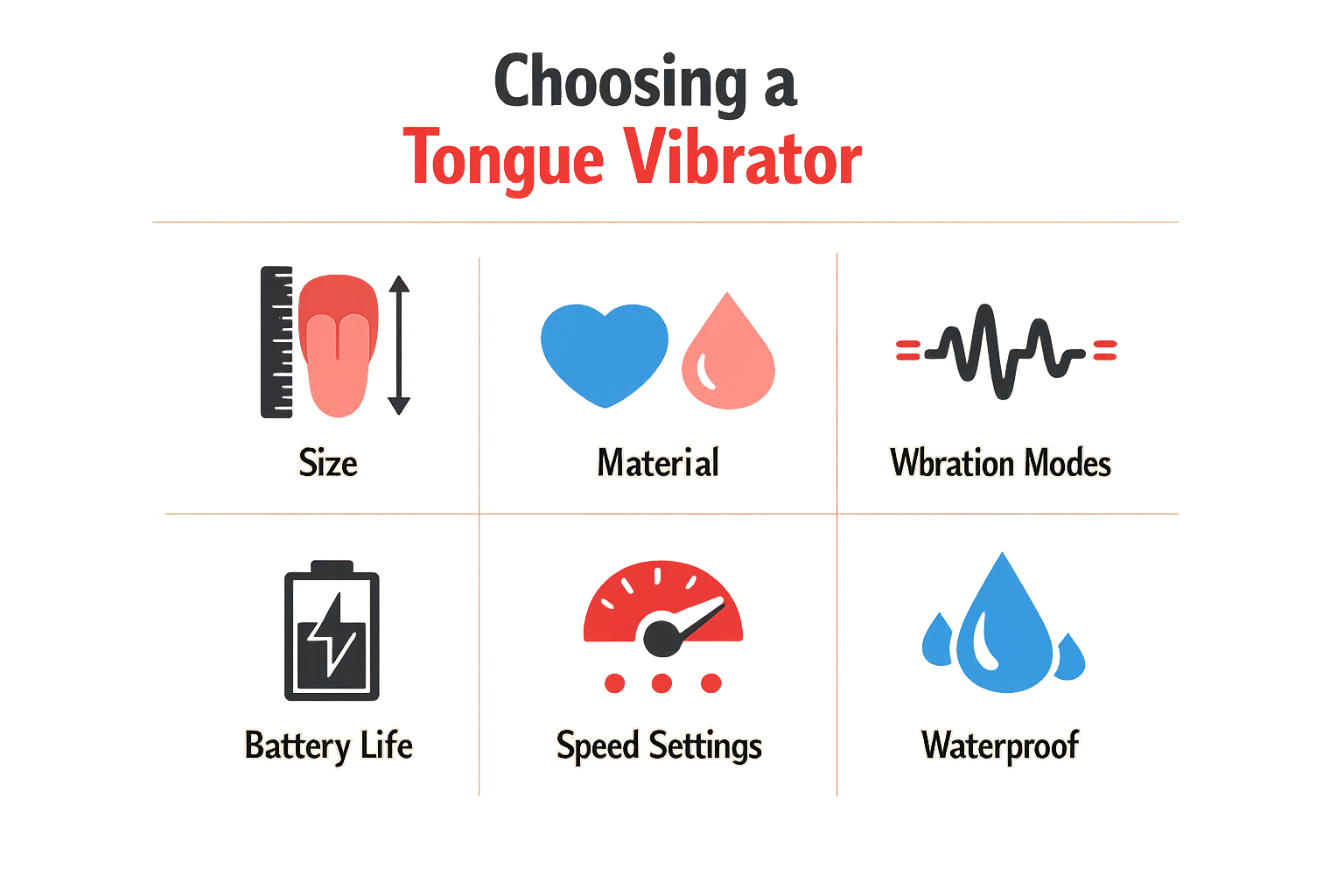
Choosing a tongue vibrator isn't rocket science, but it's also not something you want to rush. Most first-time buyers either overthink it or grab whatever's cheap and trending. Neither approach works well. The right pick comes down to a few specific features that actually matter — material, vibration settings, shape, and whether you can clean it without destroying it.
Here's the thing: tongue vibrators are designed to mimic oral play, so the shape and texture matter more than they do for a standard bullet. If it feels weird in your hand, it'll feel weird everywhere else. Start with the basics and work from there.
Step 1: Check the Material
Step 1
Look for body-safe silicone
Body-safe silicone is non-negotiable. It's hypoallergenic, non-porous, and doesn't harbor bacteria the way cheaper materials do. If the product listing doesn't specify medical-grade or body-safe silicone, skip it. Jelly rubber and mystery plastics are common in budget tongue vibrators, and they're not worth the risk.
Most reputable brands will state the material upfront. If you're shopping on a platform where the material isn't listed clearly, that's your first red flag.
Step 2: Evaluate Vibration Settings
Step 2
Multiple patterns and adjustable intensity
Tongue vibrators work best when they offer more than one speed. Look for devices with at least three vibration patterns and adjustable intensity. This lets you experiment with what feels right without committing to a single sensation. Some people prefer steady vibration; others want pulsing or wave patterns. You won't know until you try, so flexibility matters.
Cheap models often skimp here — they'll advertise "multiple modes" but deliver three barely distinguishable buzzes. Read reviews that mention the actual range of settings, not just the marketing copy.
Step 3: Consider Size and Shape
Step 3
Comfortable shape and intuitive controls
The shape should feel natural in your hand and against your body. Tongue vibrators come in different sizes, and bigger isn't always better. If you're a first-timer, start with something compact and easy to maneuver. The controls should be intuitive — you shouldn't need to fumble mid-use to figure out which button does what.
Some tongue vibrators have a flat, wide surface; others are more pointed. Think about what kind of contact you prefer. If you're not sure, a mid-range shape is usually the safest bet.
Step 4: Confirm It's Waterproof
Step 4
Waterproof for easy cleaning
Waterproof doesn't just mean you can use it in the shower (though that's a bonus). It means you can clean it properly without worrying about damaging the motor. Most tongue vibrators are marketed as waterproof, but double-check the product specs. If it's only "splash-proof," that's not enough.
Cleaning a toy that can't get wet is a nightmare. Don't put yourself in that position.
| Feature | Why It Matters | What to Look For |
|---|---|---|
| Material | Safety and hygiene | Body-safe silicone |
| Vibration Settings | Customization | 3+ patterns, adjustable intensity |
| Shape | Comfort and control | Compact, easy to grip |
| Waterproof | Cleaning and durability | Fully submersible |
Tongue Vibrators vs. Finger Vibrators: What's the Difference?
If you're comparing tongue vibrators to other compact options, finger vibrators are worth knowing about. Finger vibrators strap onto your hand for more direct control, while tongue vibrators are handheld and shaped to mimic oral stimulation. Both are discreet and beginner-friendly, but the sensation is different. Tongue vibrators focus on texture and motion; finger vibrators focus on precision.
The cheapest tongue vibrator is the one you'll actually use — which means it needs to feel good and clean up easily.
Don't overthink the brand. Most of the time, a mid-tier pick from a retailer with a return policy is smarter than gambling on a no-name product with five-star reviews that all sound the same.
Tips and Tricks for Using Tongue Vibrators
The first time you use a tongue vibrator, you might feel like you're doing it wrong. You're not — most people just skip the setup and jump straight to the highest setting, which is a recipe for disappointment. Here's what actually works.
Start Slow and Build Up
Don't crank it to the highest speed right away. Tongue vibrators are designed to mimic the soft, rhythmic movement of a tongue, which means they work best when you let the sensation build. Start on the lowest setting and give your body time to respond. If you're not feeling much after a minute or two, bump it up one level at a time. The goal is to find the sweet spot where the vibration feels good without numbing you out.
Use Water-Based Lube
If your tongue vibrator is made of body-safe silicone (and it should be), stick to water-based lube. Silicone-based lube can degrade the material over time, and nobody wants to replace a toy because they used the wrong bottle. A small amount goes a long way — you're adding slip, not drowning the thing.
Clean It Every Time
This isn't optional. Clean your toy before and after every use with warm water and a dedicated toy cleaner. Soap can leave residue that irritates sensitive skin, and skipping the cleaning step is how you end up with a bacterial situation nobody wants to deal with. If your toy is waterproof, rinse it thoroughly. If it's not, use a damp cloth and be careful around the charging port.
Experiment with Placement
The textured surface of a tongue vibrator is meant to hit specific spots, but what works for one person might not work for another. Try different angles and pressures — some people prefer direct clitoral contact, while others like the sensation slightly to the side or lower. Move it around until you find what feels right, and don't assume the first position you try is the only one that works.
The goal is to find the sweet spot where the vibration feels good without numbing you out.
Charge It Before You Need It
Nothing kills the mood faster than a dead battery. Most tongue vibrators in the budget range take 1-2 hours to charge, so plug it in after you clean it and let it sit until the next time you want to use it. If your toy has a charging indicator light, pay attention to it — some models lose power faster than others, and you don't want to find out mid-session.
For more general advice on getting started with toys, check out How to Use Sex Toys: A Beginner's Practical Guide.
Conclusion
Tongue vibrators aren't a gimmick — they're a specific tool designed for a specific sensation. If you want something that mimics oral play with consistent pressure and movement, they deliver. If you're looking for broad vibration or penetration, look elsewhere. The category is small, and most of the options sit in the $20-50 range, which means you're not betting a mortgage on trying one.
The picks that work share three things: body-safe silicone, rechargeable batteries, and a shape that actually fits against your anatomy without constant repositioning. Flickering patterns matter more here than raw power — the sensation is about rhythm, not intensity. If a product markets itself on "tongue-like texture" but runs on watch batteries, skip it.
When I finally tried one after all that research, the key was managing expectations. It's not going to replace a partner, and it's not going to feel exactly like oral sex. What it does is offer a consistent, hands-free version of that flickering sensation, and for some people, that's enough to make it a regular rotation pick. For others, it's a novelty that gets used twice and then lives in a drawer. Both outcomes are fine — not every toy is for every person.
If you're still figuring out what works for your body, tongue vibrators are a low-risk way to explore a different sensation profile. Pair them with lube, start on a lower setting, and give yourself permission to decide it's not for you. The internet will keep hyping the next viral thing, but the real question is whether it solves a problem you actually have. If flickering, targeted stimulation sounds appealing, grab a beginner-friendly option and see for yourself. If it doesn't, you're out $30 and you know one more thing about what doesn't work for you — that's not a loss, that's data.