
Butterfly Vibrators: Hands-Free Clitoral Stimulation Guide
Discover how butterfly vibrators deliver hands-free clitoral pleasure. Compare features, materials, and top picks to find your perfect fit.
 Zoe Clarke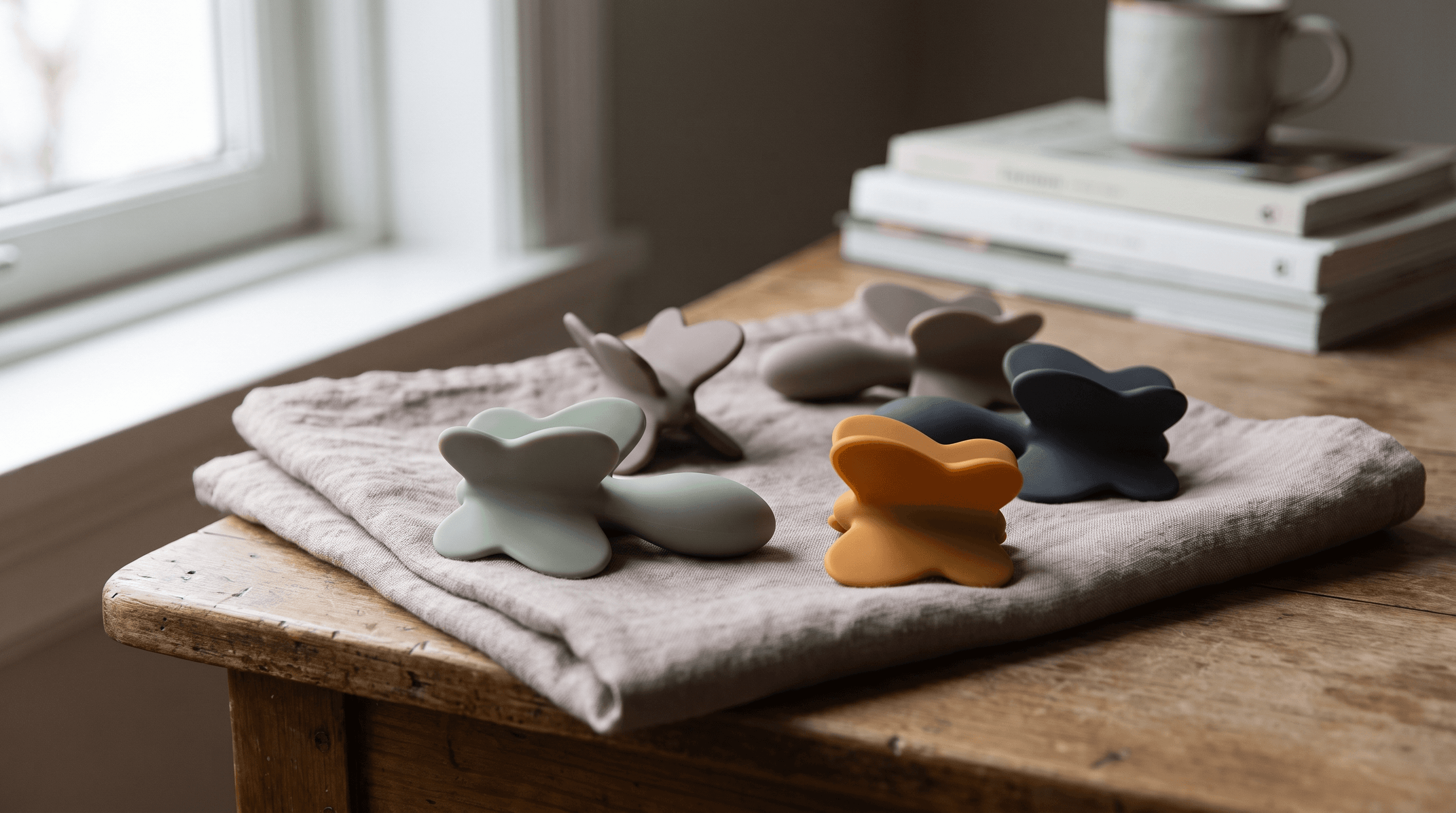
Introduction to Butterfly Vibrators
The first time someone in my group chat sent me a TikTok video featuring a butterfly vibrator with the caption "is this real," I couldn't help but chuckle. It was nestled between a bottle of hot sauce and a potted plant, making it look more like a kitchen gadget than a personal device. This kind of discovery is pretty common in our chats, where viral products often make their debut.
Butterfly vibrators are exactly what they sound like — small, wearable vibrators shaped vaguely like a butterfly (or sometimes more like a bulbous clam) that sit against your clitoris and vulva. They're held in place with straps that loop around your hips or thighs, leaving your hands free for other things. The appeal is obvious: you can wear one during partnered sex, while doing chores, or just lying in bed scrolling your phone. The hands-free part is the entire selling point.
Most designs feature a curved or contoured body that's supposed to nestle against your anatomy, with vibration motors positioned to hit the clitoris directly. Some include a secondary bulb or extension that sits near the vaginal opening for added stimulation. They're typically controlled via a wired remote, a button on the device itself, or — in pricier models — a smartphone app. If you've seen the category on beginner sex toy lists, it's usually positioned as an "adventurous but approachable" pick for first-timers who want something different from a standard bullet or wand.
Why Butterfly Vibrators Appeal to Beginners
The hands-free design removes one of the logistical headaches of using a vibrator during partnered play — you're not holding a toy in one hand while trying to stay present with your partner. For solo use, it's the difference between actively holding something in place versus letting the straps do the work. That passive convenience is a big draw for people who find traditional vibrators tiring to use or who want stimulation that doesn't require constant repositioning.
The discreet, wearable format also appeals to people curious about public or semi-public play. The idea of wearing a vibrator under your clothes — to dinner, to a movie, wherever — is a common fantasy, and butterfly vibrators are marketed heavily around that scenario. The reality is more complicated (we'll get into fit and noise in later sections), but the fantasy sells.
For beginners, the allure of a butterfly vibrator is its hands-free design, which can be a game-changer for those looking to explore new sensations without the hassle of manual operation. However, it's crucial to approach these purchases with a discerning eye, especially when shopping on platforms like Amazon. A friend once texted me a screenshot of a "silicone" butterfly vibrator that was suspiciously cheap. The product page mentioned "silicone" multiple times, but the fine print revealed it was a "silicone blend," which is not the same as medical-grade silicone.
The category also benefits from low barriers to entry — many butterfly vibrators sit in the $20–$50 range, which is cheaper than a high-end wand or rabbit vibrator. That price point makes them an easy impulse buy, especially when they're promoted as "beginner-friendly" or "perfect for couples." The problem is that not all of them deliver on those promises, and the cheap ones often fail in predictable ways: flimsy straps, weak motors, materials that smell like a tire factory.
When diving into the world of butterfly vibrators, it's essential to balance curiosity with caution. Look for reputable retailers and verify the material quality to ensure a safe and satisfying experience. The next section breaks down why choosing the right one is harder than it looks — and what most buyers get wrong on their first try.
Why Choosing the Right Butterfly Vibrator Can Be Confusing
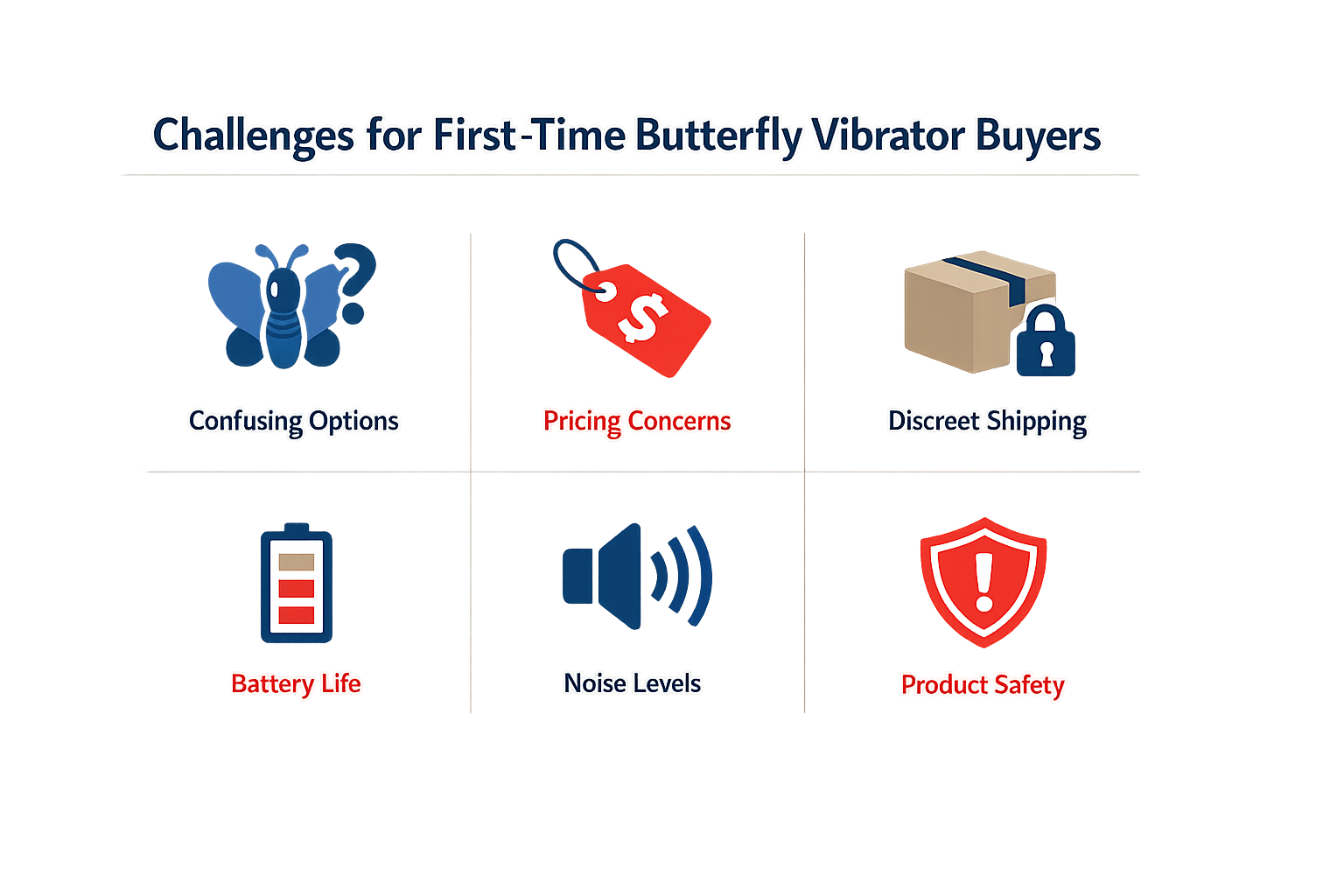
Butterfly vibrators promise hands-free clitoral stimulation — which sounds simple until you start shopping. The category is flooded with products that look identical but perform wildly differently, and most product pages don't tell you what actually matters.
The Material Confusion
The first problem most buyers hit is material claims. A friend once sent me a screenshot of a butterfly vibrator listed as "silicone" on a major marketplace. The price was suspiciously low, and the fine print revealed it was a "silicone blend" — which is not the same as medical-grade silicone. Real body-safe silicone is non-porous, hypoallergenic, and easy to clean. Blends often contain fillers that can harbor bacteria or cause irritation.
Spec Overload Without Context
Product listings throw specs at you — IPX7 waterproofing, motor noise under 40 dB, rechargeable batteries with 2+ hours of runtime — but they don't explain what those numbers mean in practice. IPX7 means the toy can be submerged in water up to one meter for 30 minutes, which is useful for shower use or easy cleaning. A motor under 40 dB is quieter than a typical conversation, which matters if discretion is a priority. Battery life of 2+ hours means you won't need to recharge after every use.
The problem is that most first-time buyers don't know which specs actually affect their experience. Beginner sex toys guides often focus on vibration strength or pattern variety, but for butterfly vibrators, fit and motor placement matter more than the number of modes.
Fit Is Personal — And Not Obvious from Photos
Butterfly vibrators are designed to sit against the clitoris while staying in place during movement. That requires a specific shape that works with your anatomy, and product photos don't show you how the wings curve or where the motor sits. A vibrator that's too wide (over 2.5 inches) won't stay centered. One that's too rigid won't conform to your body.
Most listings don't include measurements beyond overall length, and customer reviews rarely mention fit — they focus on vibration strength instead. That leaves buyers guessing whether a product will actually stay put.
The cheapest butterfly vibrator isn't the one with the lowest price — it's the one you don't have to replace because it doesn't fit.
The Certification Gap
Legitimate butterfly vibrators should meet basic safety standards: body-safe materials and waterproofing certifications. But many products on marketplaces skip certifications entirely or list vague "quality assurance" claims without third-party verification. That's not just a quality issue — it's a safety one. Non-certified products may use materials that degrade quickly, leak battery acid, or cause skin reactions.
The confusion comes from the fact that certification information is rarely front-and-center. You have to dig through product descriptions or contact sellers directly, and most first-time buyers don't know what to ask for.
Steps to Choose the Perfect Butterfly Vibrator
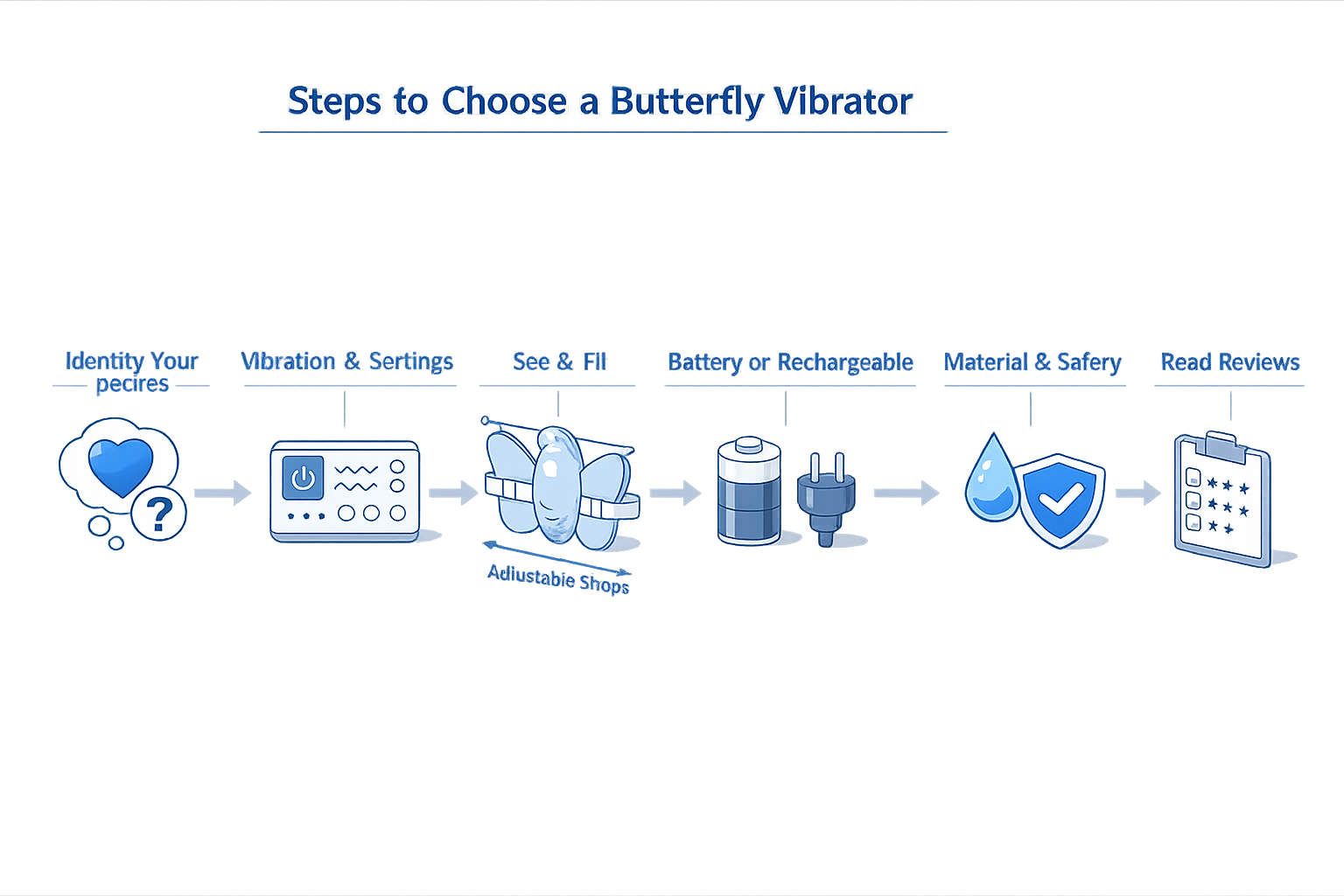
Most first-time buyers skip straight to the product page and hit "add to cart" without checking the specs that actually matter. Here's the thing: butterfly vibrators look simple, but the difference between a $20 impulse buy and a $40 pick you'll actually use comes down to five factors — material safety, motor quality, battery life, water resistance, and size. Walk through these steps in order, and you'll skip the group-chat regret texts.
Step 1
Check the material — and verify it
Look for body-safe silicone, not "silicone blend" or mystery plastic. If the product page doesn't explicitly say "medical-grade silicone" or "100% silicone," assume it's not. Cheap blends can irritate sensitive skin and break down faster. When in doubt, stick with retailers that list material certifications or at least use the phrase "phthalate-free" somewhere in the description.
Step 2
Prioritize motor quality over vibration modes
A quiet, consistent motor beats fifteen novelty patterns every time. Look for listings that mention noise levels under 40 dB — that's roughly the sound of a whisper. If the product description brags about "20 modes" but says nothing about decibel ratings or motor type, it's probably loud and buzzy. The good ones lead with motor specs, not mode counts.
Step 3
Confirm battery life and charging method
Rechargeable is the default pick here — disposable batteries are a hassle and add up fast. Look for at least 2 hours of runtime on a full charge. Most modern butterfly vibrators take 1.5–3 hours to charge completely, so if you see "quick charge in 30 minutes," check the runtime carefully — it might be trading longevity for speed. USB charging is standard; magnetic charging ports are slightly easier but not a dealbreaker either way.
Step 4
Verify water resistance (IPX7 or higher)
IPX7 means the toy can handle being submerged in water for 30 minutes — useful for shower use and critical for cleaning. Anything rated IPX6 or lower is splash-resistant at best, which limits where and how you can clean it. If the listing doesn't mention an IPX rating at all, assume it's not waterproof and plan accordingly.
Step 5
Measure the fit — under 2.5 inches wide is the safe bet
Butterfly vibrators sit against the vulva and are held in place by underwear or straps, so width matters more than length. Most bodies can comfortably accommodate a butterfly vibrator that's under 2.5 inches wide. If you're between sizes or buying your first one, go smaller — a too-large butterfly shifts around and loses contact, which defeats the whole hands-free appeal.
Pro tip: Read the manual before you need it
Once your butterfly vibrator arrives, charge it fully and skim the manual before your first session. A half-charged battery can cut out mid-use, and most manuals include a diagram showing the exact placement that works best for that model's shape. It's two minutes of prep that saves twenty minutes of trial and error.
If you're still narrowing down what type of toy fits your routine, our guide to beginner sex toys covers the full starter lineup — including when a butterfly vibrator makes sense and when a bullet or wand is the better first pick.
Tips and Tricks for First-Time Buyers of Butterfly Vibrators

The first time you use a butterfly vibrator, you're probably going to turn it on at the lowest setting and think, "That's it?" Here's the thing: most first-time users discover they prefer lower intensity than expected. The device is meant to enhance sensitivity, not overwhelm it. Start low, give yourself a few minutes to adjust, and then decide if you want more.
Start Low and Go Slow
Your body needs time to figure out what it likes. The friend who swears by max power on day one is the exception, not the rule. For external stimulation, apply water-based lube on the area and start with low vibration, gradually increasing intensity. This isn't a race — the goal is to find what feels good, not to hit every setting in the first session.
If the straps feel tight or the wings don't sit where you want them, adjust before you turn it on. A poorly positioned butterfly vibrator is just an expensive buzzing thing that slides around. Take the time to get the fit right — it makes the difference between "this is fine" and "oh, that's what this is supposed to do."
Material Matters More Than You Think
Silicone blends are not the same as medical-grade silicone. If a product page mentions "silicone" but the price is suspiciously low, check the fine print. Real silicone is body-safe, non-porous, and easy to clean. Blends might contain fillers that can irritate skin or harbor bacteria. When in doubt, buy from a retailer that lists full material specs — not just marketing copy.
The cheapest option is rarely the safest option when it comes to anything that touches your body for extended periods.
If you're shopping for a beginner sex toy, prioritize material transparency over flashy features. A basic butterfly vibrator made from actual silicone beats a feature-packed model made from questionable materials every time.
Clean It Before and After Every Use
This should be obvious, but it's worth saying: wash your butterfly vibrator before the first use and after every session. Most are water-resistant enough for a quick rinse with warm water and mild soap. If the product is fully waterproof, you can submerge it. If it's only splash-proof, keep water away from the battery compartment or charging port.
Don't use silicone-based lube with silicone toys — it can degrade the material over time. Stick with water-based lube, and if you're using it during partnered play, make sure everyone's on board with the plan before you strap it on.
Troubleshooting Common First-Timer Issues
If the vibration feels too intense even on the lowest setting, try it over underwear or a thin layer of fabric. Some users find direct contact overwhelming at first. If the straps dig in or the wings don't stay put, check if the model has adjustable straps — not all do, and that's a dealbreaker for some body types.
Battery life is another common complaint. Rechargeable models usually last 60–90 minutes on a full charge. If yours dies mid-session, it either wasn't fully charged or the battery is worn out. Battery-powered models (the ones that take AAAs) tend to lose power gradually, which means the vibration weakens before it cuts out entirely. Keep spare batteries on hand if you go that route.
Conclusion: Finding Your Ideal Butterfly Vibrator
The first time someone in my group chat sent me a TikTok video featuring a butterfly vibrator with the caption 'is this real,' I couldn't help but chuckle. It was between a bottle of hot sauce and a potted plant, making it look more like a kitchen gadget than a personal device. This kind of discovery is pretty common in our chats, where viral products often make their debut. But when it comes to butterfly vibrators, there's more than just the buzz to consider.
Here's the thing: the right butterfly vibrator is the one that fits your body, meets your material standards, and doesn't overcomplicate the experience. Most first-time buyers overthink it — they get stuck comparing motor specs and vibration patterns when the real question is whether the wings actually sit where they're supposed to. If the fit is wrong, none of the other features matter.
Start with the basics. Look for body-safe silicone from a retailer you trust, not a 'silicone blend' buried in the fine print on Amazon. A friend once texted me a screenshot of a 'silicone' butterfly vibrator that was suspiciously cheap — the product page mentioned 'silicone' multiple times, but the fine print revealed it was a blend, which is not the same as medical-grade silicone. Skip the guesswork and stick with known brands or verified specialty shops.
If you're still figuring out what works for you, a butterfly vibrator is a solid entry point into hands-free clitoral stimulation. It's not the only option, though. If you're exploring other beginner-friendly picks, check out our guide to the best vibrators for first-timers — it covers the full range of what actually works when you're just starting out.
The butterfly vibrator category is growing fast — the global vibrating egg market was valued at USD 487 million in 2025 and is projected to reach USD 1.07 billion by 2035. That growth means more options, but it also means more noise to filter through. Stick to the fundamentals: material quality, adjustable fit, and a return policy that doesn't make you jump through hoops.
When diving into the world of butterfly vibrators, it's essential to balance curiosity with caution. Look for reputable retailers and verify the material quality to ensure a safe and satisfying experience. You don't need the most expensive model or the one with seventeen vibration modes. You need the one that stays put, feels good, and doesn't require a engineering degree to operate.