
Affordable Couples Massage: Creating Spa Experiences at Home
 Zoe Clarke
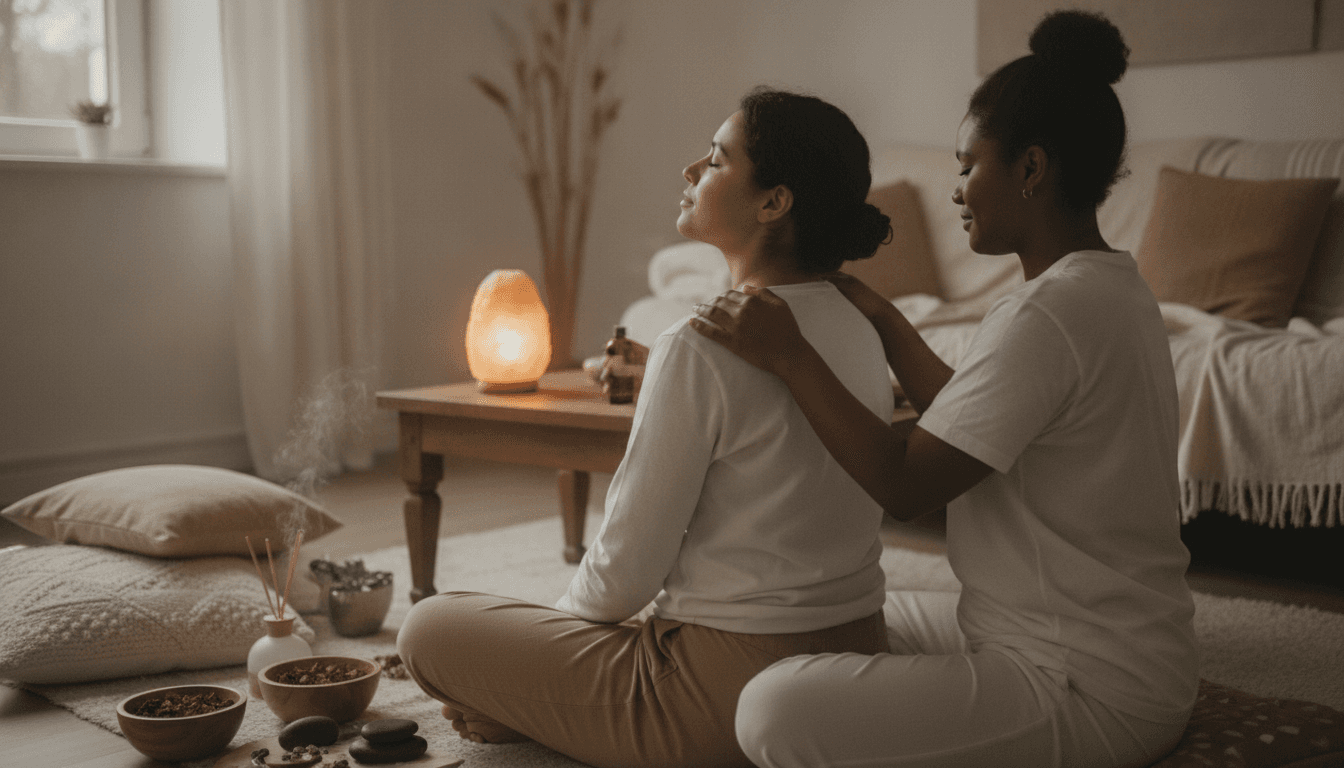
Introduction
Affordable couples massage is exactly what it sounds like: creating professional-quality relaxation and intimacy at home without the $150–$300 spa price tag. Everyone loves a fantastic massage — whether it's focused on soothing sore muscles or building intimacy with your partner. The spa version costs $150–$300 per couple and requires booking weeks out. The home version costs about $30 in supplies, happens whenever you want, and often leads somewhere a professional massage therapist would definitely not go.
The idea that you need a spa environment to get real relaxation is marketing. What you actually need: clean sheets, decent lighting, something slippery that isn't hand lotion, and the willingness to spend 20–40 minutes focused on each other instead of your phones. Most couples overthink this — they assume they need to learn Swedish massage techniques or buy a $400 table. You don't. You need to show up, pay attention, and understand what makes physical connection work.
Affordable couples massage works because it removes the performance pressure of sex while keeping the intimacy and physical touch that make relationships feel connected. You're not trying to accomplish anything except making your partner feel good. That low-stakes setup often turns into something more — and when it doesn't, you both still got a massage.
The barriers most people cite — cost, time, not knowing what to do — are all solvable with about $30 and a willingness to be slightly awkward the first time. This guide walks through the actual steps: what to buy, how to set up your space, what techniques work without training, and how to make it a regular thing instead of a one-time experiment that never happens again.
The Problem with Traditional Spa Visits
Spa couples massages run $200–500 for 60–90 minutes, and that's before tip. Most couples try it once, love it, then never go back because the price doesn't make sense for something you could theoretically do at home. The math is brutal: four visits a year costs what a decent vacation does.
Beyond cost, there's the logistics problem. Booking two appointments at the same time, coordinating schedules, driving to the spa, waiting in a lobby — it's a production. What should be relaxing becomes another item on the calendar that requires planning, childcare, and a chunk of your Saturday. For couples with kids, the coordination alone can kill the vibe before you even get there.
Accessibility and Comfort Barriers
Not everyone feels comfortable being touched by a stranger in a robe. Some people find the whole spa environment — the whale sounds, the forced whisper-talking, the pressure to tip well — more stressful than relaxing. And if you're trying to reconnect with your partner, having two separate massage therapists in the room isn't exactly intimate.
The bigger issue: spas are a one-time thing. You can't recreate the experience at home because you don't know what they did, what products they used, or how to set up the space. You leave feeling great, then go back to regular life with no roadmap for doing it yourself. That's the gap most couples hit — they want the experience, but they don't want the spa price tag or the logistical headache every time.
If you're looking to bring that relaxation into your relationship without the scheduling nightmare, learning how to make sex better starts with creating space for connection — and massage is one of the simplest ways to do that.
How Do You Create an Affordable Couples Massage at Home?
You don't need a spa membership to get the good stuff. Here's how to build an affordable couples massage setup at home that actually works — no overpriced packages, no awkward small talk with a stranger in the next room.
Step 1: Set the Space
Pick a room you can actually relax in. Bedroom works, living room works, anywhere with enough floor space for two people to lie down comfortably. Clear the clutter — nothing kills the vibe faster than stepping on a phone charger mid-massage.
Dim the lights or use candles if you have them. If you don't, turn off the overhead and use a lamp. The goal is low light, not pitch black. You want to see what you're doing.
Step 1
Prep your surface
Most people use the bed, but the floor with a yoga mat or thick blanket works better — it gives you leverage for deeper pressure. Lay down a towel you don't care about, because oil goes everywhere.
Step 2: Pick Your Tools
You need exactly three things: something to lie on, something slippery, and optionally something that vibrates.
For oil, coconut oil from the grocery store works fine. Costs $8, lasts forever, doesn't smell like a Bath & Body Works exploded. If you want something fancier, any massage oil labeled "unscented" or "light scent" will do.
For a massage tool, a wand-style massager punches way above its price. The PinkCherry Premium wand doubles as a muscle massager and a more interesting kind of massager — plug it in, no battery panic, and it's strong enough to actually work out knots in shoulders or calves. If you want app control for long-distance or just handing your partner the remote, the Satisfyer Connect line lets you customize vibration patterns from your phone.
Step 3: Agree on the Plan
Before anyone takes their shirt off, decide: are you trading massages, or is one person getting the full treatment tonight? Trading sounds fair, but it's harder to stay relaxed when you know you're up next. Pick one person, do them right, switch next time.
Set a timer for 20-30 minutes. Sounds clinical, but it keeps you from rushing or dragging it out awkwardly. When the timer goes off, you're done — no guilt, no "was that long enough?"
Step 4: Start Slow, Build Pressure
Warm the oil in your hands first. Cold oil on bare skin is a jump scare, not a spa experience.
Start with long, slow strokes — shoulders, back, legs. You're not trying to fix anything yet, just getting them used to your hands. After a few minutes, increase pressure on the spots that feel tense. If they flinch, you went too hard. If they're still talking about work, you're not pressing hard enough.
For deeper work, use your body weight, not just your hands. Lean in with your forearm on big muscle groups like the back or thighs. If you're using a wand, start on the lowest setting and work up — most people go too strong too fast and it just feels like a drill.
The best massage is the one where nobody has to ask "is this okay?" every thirty seconds — check in once at the start, then read the room.
Step 5: End on a High Note
The last five minutes should be lighter than the middle. Go back to those long, slow strokes from the beginning. It's the cooldown — you're not trying to accomplish anything, just letting them ease out of it.
Have a warm towel ready to wipe off excess oil, or just let them hop in the shower. Don't make them get up and deal with logistics immediately. That's the part spas get right: you get to lie there like a slug for a few minutes after.
If you want to take it further, how to make sex better covers the next steps when a massage turns into something else — which, let's be honest, is half the point.
What Makes an Affordable Couples Massage Actually Work?
The difference between a mediocre home massage and one that actually works is usually three things: atmosphere, tools, and the willingness to stop treating it like a performance review.
Set the Atmosphere (It's Not Complicated)
You don't need a waterfall soundtrack and seventeen candles. Dim the lights, put your phones in another room, and play something that doesn't make you want to check your email. A playlist you both tolerate works fine — the point is removing distractions, not recreating a resort lobby.
Temperature matters more than most people think. If one of you is cold, the massage stops being relaxing and starts being a countdown to when you can put clothes back on. Warm the room first, keep a blanket nearby, and if you're using oil, warm the bottle in your hands before applying it.
Choose Your Tools
Massage oil is the baseline — coconut oil works, so does almond oil, and both are cheaper than the stuff marketed specifically for massage. If one of you has sensitive skin, test it on a small area first. Skip anything with a strong scent unless you know your partner likes it — "relaxing lavender" is subjective.
For actual muscle work, a handheld massager does what your hands can't sustain for more than five minutes. The plug-in wand-style ones deliver consistent pressure without requiring you to white-knuckle your way through shoulder knots. Three simple buttons let you adjust patterns and intensity, and the corded design means you're not racing a dying battery.
Techniques That Actually Work
Start with broad, flat-handed strokes to warm up the muscles. Don't go straight for the knots — that's how you make someone tense up instead of relax. Work your way from larger muscle groups (back, thighs) toward smaller ones (neck, feet).
When you hit a tight spot, apply steady pressure and hold it for 10-15 seconds instead of kneading aggressively. Ask your partner to rate the pressure on a scale of 1-10 — you're aiming for a 6 or 7, not a 9. If they're holding their breath, you're pressing too hard.
For areas that need more focused work, a compact massager can target specific muscle groups without wearing out your hands. The ones designed for portability work well for shoulders, calves, and anywhere that needs sustained vibration to release tension.
Communication Beats Technique
The best massage is the one where you actually tell each other what's working. "A little higher," "more pressure," and "that's perfect, stay there" are all valid feedback. The goal isn't to guess correctly — it's to respond to what your partner needs in real time.
If something isn't working, say so. If you need a break because your hands are tired, take one. The spa experience you're trying to recreate at home includes the part where a professional knows when to adjust — you can do that too, you just have to use words.
The best home massage is the one where both people are actually relaxed, not the one where someone's faking it to be polite.
Post-Massage Protocol
After the massage, don't immediately jump up and start doing dishes. Lie there for a few minutes. Drink water — massage releases metabolic waste into your system, and hydration helps flush it out. If you used oil, keep a towel handy or plan to shower before you sit on any furniture you care about.
The intimacy part happens when you're both relaxed and not performing. That might mean sex, or it might mean falling asleep while someone plays with your hair. Both count.
Conclusion
The spa experience doesn't need a spa price tag. Everything that makes a couples massage worth the money — the relaxation, the connection, the excuse to stop scrolling for an hour — works just as well in your bedroom with $30 worth of supplies and a playlist you actually like.
The real benefit isn't just saving money. It's having a repeatable ritual you can do whenever you need it, not whenever you can afford it. No scheduling three weeks out, no driving across town, no awkward small talk with a receptionist. Just you, your partner, and a skill set that gets better every time you use it.
Massage enhances wellness by promoting relaxation, which positively affects emotions and thoughts, leading to an overall sense of well-being. That's the clinical version. The real version: it feels good, it makes you closer, and you'll actually do it more than twice a year.
Start simple. Pick one night this week, grab some oil, and follow the steps we laid out. You don't need to nail it the first time — most people don't. But by the third or fourth session, you'll have a rhythm that works for both of you, and that's when it stops feeling like a project and starts feeling like something you look forward to.
For more ways to deepen connection and pleasure, check out our guide on how to make sex better — it covers communication, technique, and the small adjustments that make a real difference. If you're exploring safe sex education for teens, understanding intimacy and communication starts with these foundational skills.
Frequently asked questions
What equipment do I need for an affordable couples massage at home?
You need massage oil (coconut or almond oil works), a comfortable surface (bed or yoga mat with towels), and optionally a handheld wand massager. Total cost runs about $30 for basic supplies that last months.
How long should an affordable couples massage session last?
Plan for 20-30 minutes per person. Set a timer so neither person feels rushed or guilty. Trading full sessions on different nights works better than trying to do both in one evening.
Can affordable couples massage replace professional spa visits?
For relaxation and intimacy, yes. For therapeutic deep tissue work on chronic pain or injuries, professional massage therapists have training you can't replicate at home. But for connection and stress relief, home massage delivers the same benefits.
What's the best massage oil for sensitive skin?
Unscented coconut oil or sweet almond oil work well for most people. Test a small amount on the inner wrist first. Avoid anything with fragrance, essential oils, or warming/cooling additives if either partner has reactive skin.
How do I make an affordable couples massage feel more romantic?
Dim lighting, warm room temperature, phones in another room, and a playlist you both actually like. The romance comes from focused attention on your partner, not from props or performance.