
What Is a Clit? Anatomy, Function, and Pleasure Guide
Learn what is a clit, its hidden anatomy, how it functions for pleasure, and why understanding clitoral structure matters for sexual wellness.
 Zoe Clarke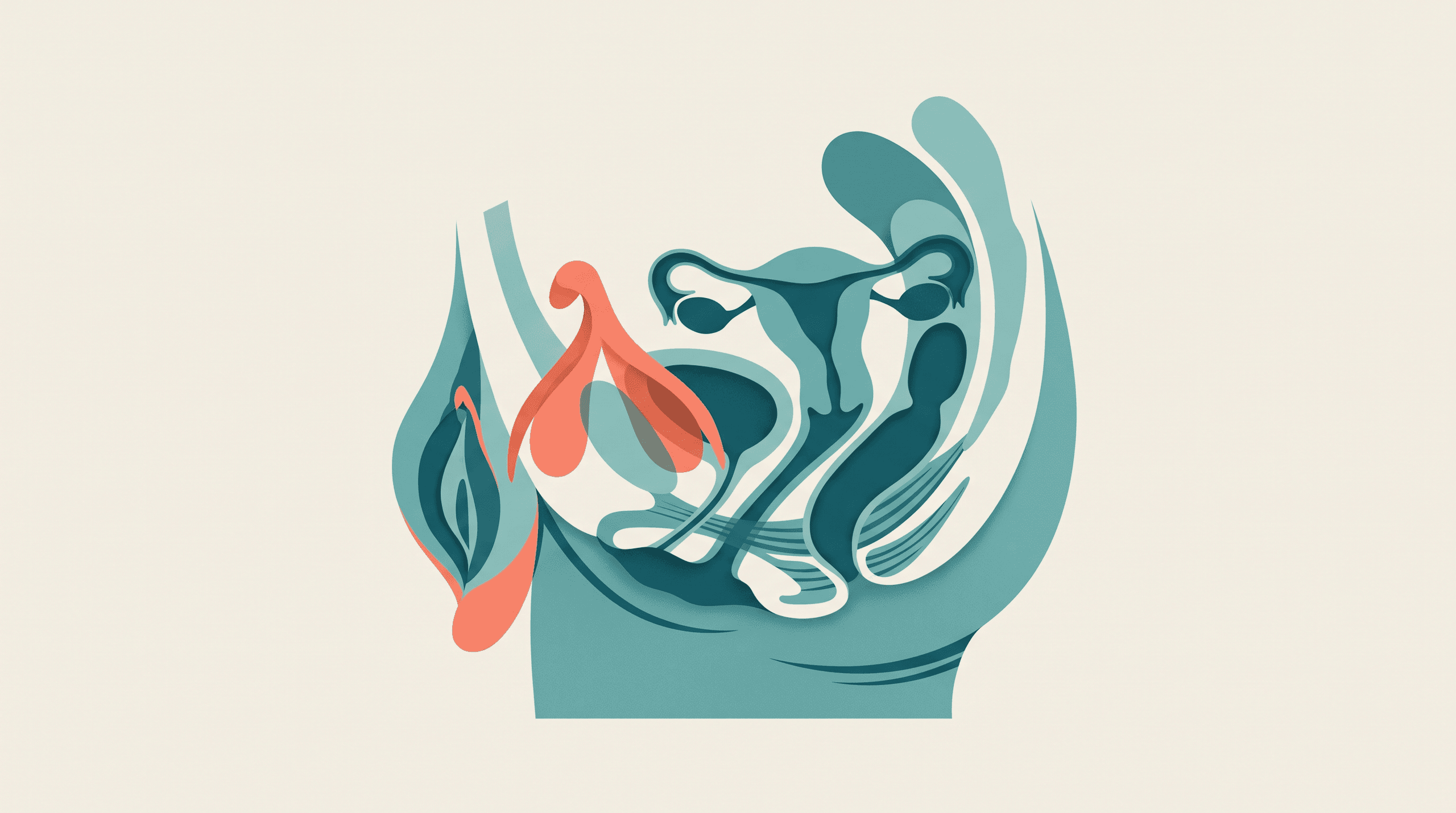
Introduction to the Clit
The first time someone in my group chat sent me a TikTok video asking, 'What is a clit?', I realized how much misinformation and confusion still surrounds basic anatomy. The internet was useless — every guide seemed to gloss over the details, treating the clitoris as just another part of the anatomy rather than emphasizing its unique role and function.
Here's the thing: the clitoris is a small sexual organ that exists purely for pleasure. It has no direct role in reproduction, no utility function, no evolutionary compromise. Its sole job is to feel good. That's it. And yet, for most of the 20th century, it was almost invisible in medical and educational textbooks, leading to a lack of literacy about female sexuality and missed opportunities for clinical care.
This lack of clear, accessible information leads to misconceptions, particularly for beginners exploring their own bodies or those of their partners. Whether you're a first-timer or someone looking to deepen your knowledge, understanding the clitoris isn't just about anatomy — it's about recognizing its significance in sexual health and pleasure. If you're ready to explore toys designed specifically for clitoral stimulation, check out our beginner sex toys guide for practical first-timer picks.
This guide breaks down what the clitoris is, how it works, its hidden anatomy, and why understanding it matters. No fluff, no outdated myths, no making it a big deal. Just the facts you actually need.
Learn what a clit is, its anatomy, functions, and how it works in this comprehensive guide.
What Is a Clit?
The clitoris is a part of the female sex organ system — both internal and external — that exists primarily to make sex pleasurable. That's it. Not reproduction, not urination, not anything functional in the traditional sense. Just pleasure.
Most people picture the clitoris as the small, button-like nub at the top of the vulva where the inner labia meet. That's the external part — the glans — and it's the most nerve-dense spot on the human body. But the clitoris is actually much larger than what you can see. The full structure extends internally, with roots and bulbs that wrap around the vaginal canal. Think of the visible part as the tip of an iceberg.
How the Clit Differs from Other Parts of the Vulva
The vulva is the entire external genital area — the labia, the vaginal opening, the urethral opening, and the clitoris. The clitoris is one specific part of that system, located at the top where the inner labia (labia minora) come together. It's covered by a small fold of skin called the clitoral hood, which protects the glans.
The vaginal opening is lower down and serves a completely different function — it's the entry point to the vaginal canal, which is involved in penetration, childbirth, and menstruation. The clitoris, by contrast, has no reproductive or excretory function. It's purely about sensation and pleasure, which is why understanding it matters if you're exploring beginner sex toys or trying to figure out what actually works for you.
Why It's Often Misunderstood
The clitoris wasn't fully mapped in medical literature until the late 1990s. Before that, anatomy textbooks either ignored it or showed incomplete diagrams. That's why so many people — including people with clitorises — don't know what it looks like, where it is, or how it works. The visible part is small and often hidden under the clitoral hood, which makes it harder to locate if you're not familiar with your own anatomy.
The takeaway: the clitoris is a dedicated pleasure organ with a visible external part and a much larger internal structure. It's not the same as the vagina, it's not just a button, and it's not optional when it comes to understanding how most people with vulvas experience sexual pleasure.
Anatomy of the Clit
The clitoris is way bigger than most people think. What you can see — the glans — is just the tip. The rest extends inside the body, wrapping around the vaginal canal in a three-dimensional structure that most anatomy diagrams skip entirely.
External Structure: The Glans
The visible portion is the glans, a small protrusion where the inner labia meet at the top of the vulva. It's usually protected by the clitoral prepuce (the hood). The glans measures roughly 5 millimeters long and 3 to 4 millimeters across — about the size of a small pea. That tiny surface packs more than 8,000 nerve endings, which is why clit suckers and other targeted toys exist in the first place.
Internal Structure: Body, Crura, and Vestibular Bulbs
The clitoris extends 8 to 12 cm in total. Below the glans, the clitoral body runs upward and then splits into two crura (legs) that angle downward along either side of the vaginal opening. Each crura measures 5 to 9 cm. The vestibular bulbs — two erectile tissue masses — sit deeper, flanking the vaginal canal at 3 to 7 cm each.
Here's the breakdown by component:
| Component | Average Size | Location |
|---|---|---|
| Glans | 3–12 mm | External, top of vulva |
| Body | 2–4 cm | Internal, runs upward from glans |
| Crura (each) | 5–9 cm | Internal, angles downward |
| Vestibular bulbs (each) | 3–7 cm | Internal, flanks vaginal canal |
The frontal anatomical view — the kind you see in medical illustrations that lift the clitoris out of the body — shows the organ's three-dimensional shape. It's not a button. It's an iceberg, and the glans is what breaks the surface.
Function of the Clit
The clitoris has one job: pleasure. It's the only organ in the human body — any human body — that exists solely for sexual sensation. No reproductive function, no hormonal role, no other purpose. Just feeling good.
That's not a quirk of anatomy. It's the design. The clitoris contains around 8,000 nerve endings concentrated in a small area, making it the most sensitive part of the vulva. For context, the penis has about half that number spread across a much larger surface. This density of nerve endings means even light touch can produce intense sensation.
The Role in Sexual Arousal
When aroused, blood flow to the clitoris increases — the glans swells, the internal structures engorge, and sensitivity ramps up. This isn't just a side effect of arousal; for many people with vulvas, clitoral stimulation is the primary driver of arousal. The feedback loop works both ways: stimulation increases blood flow, which increases sensitivity, which intensifies the response.
Only 18% of women report they can climax from vaginal intercourse alone without clitoral stimulation. That stat gets thrown around a lot, but it's worth repeating because it clarifies something most people get backward: clitoral stimulation isn't a bonus feature. For the majority, it's the main event.
The Path to Orgasm
Clitoral orgasms are the most common type of orgasm for people with vulvas. The process is straightforward: stimulation activates the pudendal nerve, which carries signals to the spinal cord and then to the brain's sensory cortex. The brain interprets this as pleasure, and with sustained stimulation, the pelvic floor muscles contract rhythmically — that's orgasm.
Adding clitoral stimulation during intercourse makes orgasms stronger for 36% of women. That's not a small number, and it explains why clit stimulators have become one of the most popular categories in the toy market. The toys that work best are the ones that acknowledge what the clitoris is actually designed to do.
The clitoris isn't a backup plan — it's the primary mechanism for sexual pleasure in most people with vulvas.
Why This Matters
Understanding that the clitoris exists purely for pleasure shifts the conversation. It's not about "needing" clitoral stimulation because something else didn't work. It's about recognizing that this is how the anatomy functions. The clitoris isn't optional in sexual pleasure — it's central.
That clarity changes how people approach their own bodies and how partners approach sex. When you know the clitoris is the main source of sensation, you stop treating it like an afterthought. You start there, not as a fallback.
How the Clit Works
The clitoris doesn't just exist — it responds. When you're aroused, blood flow to the clitoris increases, causing the tissue to swell and the glans (the visible tip) to become more prominent. This engorgement makes the clitoris easier to locate and significantly more sensitive to touch. The entire structure, including the internal bulbs and legs, fills with blood in the same way erectile tissue does elsewhere in the body.
That increased sensitivity isn't random. The clitoris contains thousands of nerve endings, all converging in a small area. When stimulated, these nerves send signals through the pudendal nerve to the spinal cord and then to the brain, where they're interpreted as pleasure. The more arousal builds, the more blood flow increases, and the more responsive the clitoris becomes — it's a feedback loop that intensifies sensation.
Clitoral Stimulation and Orgasm
Clitoral stimulation is the most reliable route to orgasm for most people with clitorises. The swelling and increased sensitivity during arousal set the stage, but orgasm itself involves rhythmic contractions of the pelvic floor muscles and a surge of nerve activity. The clitoris doesn't work alone here — the internal structures (bulbs, legs, and the connection to the vaginal wall) all contribute to the full-body experience.
Different types of stimulation activate different parts of the clitoral network. Direct stimulation of the glans is the most intense, but indirect stimulation through the clitoral hood or pressure on the internal structures can also trigger orgasm. Some people prefer light, teasing contact; others need firm, consistent pressure. The nerve pathways are the same, but individual sensitivity varies widely.
If you're exploring clit stimulators, understanding how arousal and blood flow work helps you choose the right intensity and pattern. Start slowly — the clitoris needs time to engorge and reach peak sensitivity. Rushing in with high intensity before arousal builds is like turning on a light switch before plugging in the lamp.
The clitoris swells when aroused, leading to increased sensitivity and contributing to the experience of orgasm.
Why Timing Matters
The clitoris doesn't respond the same way at every stage of arousal. Early on, when blood flow is just starting to increase, the tissue is less engorged and the nerve endings are less responsive. Light, indirect stimulation works better here. As arousal builds and the clitoris swells, it can handle — and often prefers — more direct, intense stimulation.
This is why "start slowly and lightly" is the standard advice. It's not about being timid; it's about matching the stimulation to the physiological state of the tissue. If you jump straight to intense stimulation before the clitoris has fully engorged, it can feel uncomfortable or even painful. The nerve pathways are firing, but the tissue isn't ready to process that level of input yet.
The same principle applies after orgasm. Blood flow decreases, the tissue deflates, and sensitivity often spikes — not in a good way. What felt amazing 30 seconds ago can suddenly feel too intense or even irritating. The clitoris needs time to return to its baseline state, and continued stimulation during that window can be unpleasant.
Common Myths About the Clit
The clitoris has been misunderstood for so long that myths about it are practically baked into sex ed — or the lack of it. Most of these misconceptions come from the fact that, for most of the 20th century, the clitoris was almost invisible in medical and educational textbooks. That erasure led to a lack of literacy about female sexuality and missed opportunities for clinical care. Here's what most people get wrong.
The Clitoris Is Just a Small Button
The visible part — the glans — is only about the size of a pea, but the full structure extends several inches inside the body. The clitoris includes internal bulbs and crura that wrap around the vaginal canal. Thinking of it as just the external nub is like thinking an iceberg is only the tip you can see above water. The full organ is much larger and more complex than most anatomy diagrams show.
Penetration Alone Should Be Enough for Orgasm
This is one of the most persistent myths, and it causes a lot of unnecessary confusion. Many people with vaginas don't orgasm from intercourse alone, and that's completely normal. The clitoris is the primary source of sexual pleasure for most people with vulvas, and penetrative sex doesn't always provide direct clitoral stimulation. That doesn't mean penetration can't feel good — it just means the clitoris often needs more direct attention. If you're looking for toys that combine both, clit suckers are designed to provide focused clitoral stimulation that many people find more effective than penetration alone.
Many people with vaginas — despite perhaps enjoying and getting excited from penetrative sex — don't always orgasm from intercourse.
The Clitoris and the G-Spot Are Separate
The so-called G-spot is likely part of the internal clitoral network. When you stimulate the front wall of the vagina, you're indirectly stimulating the internal bulbs and crura of the clitoris. It's not a separate magic button — it's the same structure accessed from a different angle. This explains why some people respond to G-spot stimulation and others don't: anatomy varies, and the internal clitoral structures sit at slightly different depths and angles in different bodies.
Bigger Clitorises Mean More Pleasure
Size has nothing to do with sensitivity or capacity for pleasure. Clitoral size varies widely from person to person, and a larger glans doesn't mean more nerve endings or a higher likelihood of orgasm. What matters is how the clitoris is stimulated and how the individual body responds. Some people with smaller external structures report intense sensitivity, while others with larger ones may need more pressure or a different type of touch.
The Clitoris Doesn't Change During Arousal
The clitoris actually swells and becomes engorged with blood during arousal, much like a penis. The glans can double in size, and the internal structures expand as well. This engorgement increases sensitivity and makes stimulation more effective. If you've ever noticed that what feels good at the start of a session doesn't feel the same ten minutes in, that's why — the clitoris is literally changing shape and sensitivity in real time.
Why Understanding the Clit Matters
Knowing what a clit is and how it functions isn't some academic exercise — it's the difference between fumbling around in the dark and actually knowing what you're doing. Most sex education skips over clitoral anatomy entirely, treating it like a footnote when it's actually the primary source of sexual pleasure for most people with vulvas. That gap in knowledge shows up everywhere: in how people approach their own bodies, in how partners interact, and in the entire toy industry that's built around clitoral stimulation.
The clitoris plays a significant role in sexual desire and is often necessary for achieving orgasm for many individuals with vaginas. That's not a minor detail — it's the central fact that shapes everything from toy design to how people think about pleasure. When you understand that the visible part is just the tip of a much larger structure, you stop treating it like a button and start recognizing it as the complex organ it actually is.
Why This Knowledge Actually Matters
First-time buyers get this wrong constantly. They assume any vibrator will work the same way, or that "clitoral stimulation" is a single category. It's not. Some people need direct contact on the glans; others find that overwhelming and prefer stimulation around the clitoral hood or the internal structures. If you don't know the anatomy, you can't make an informed choice about what type of toy or technique might work for you.
The practical implications show up in product categories too. Clit suckers use air-pulse technology specifically because they target the external glans without requiring direct friction — that design choice only makes sense if you understand clitoral sensitivity and how the nerve endings are distributed. Same with wand vibrators, bullet vibes, and every other clitoral toy on the market: they're solving for different aspects of the same anatomical structure.
Understanding clitoral anatomy isn't about being an expert — it's about knowing enough to figure out what works for your own body.
Beyond the practical toy-shopping angle, there's a bigger point: sexual health and pleasure are linked. When people don't understand their own anatomy, they're more likely to accept unsatisfying experiences as normal, or to assume something's wrong with them when a partner's technique doesn't work. Clitoral stimulation is often necessary for orgasm — that's not a preference or a quirk, it's how the anatomy functions for most people. Treating it as optional or secondary creates unnecessary frustration.
The other piece that gets overlooked: this knowledge reduces shame and confusion. A lot of the myths and misconceptions around the clitoris exist because basic anatomy education is either missing or actively wrong. When you know what the structure actually looks like, how it works, and why it responds the way it does, you stop second-guessing yourself and start approaching pleasure as something straightforward instead of mysterious.
Frequently asked questions
Can you orgasm from clitoral stimulation alone?
Yes — and for most people, it's the most reliable route. Only 18% of women say they can climax from vaginal intercourse alone without clitoral stimulation. The clitoris has more nerve endings than any other part of the body, which is why direct or indirect stimulation tends to be the most effective path to orgasm.
Does the clitoris grow or change with age?
It does. The clitoris continues to grow slightly throughout your life, particularly after puberty and again during menopause due to hormonal shifts. This is normal — it doesn't affect function, and the increased size doesn't mean anything is wrong.
Why is the clitoris sometimes hard to find?
The external glans (the part you can see and touch) is small — about the size of a pea — and sits under the clitoral hood, a fold of skin that protects it. Arousal causes the clitoris to swell and become more prominent, which can make it easier to locate. Anatomy varies from person to person, so what's "easy to find" for one person might take a little more exploration for another.
Can clitoral stimulation make orgasms stronger?
Yes. 36% of women report that adding clitoral stimulation during intercourse makes their orgasms stronger. Even if you can orgasm without direct clitoral contact, adding it often increases intensity and makes climax easier to reach.
What's the best way to start exploring clitoral stimulation?
Start slow and light. The clitoris is extremely sensitive, and too much pressure too soon can be uncomfortable or even painful. Use a finger, a soft touch, or a beginner-friendly vibrator on a low setting. Pay attention to what feels good — pressure, speed, and location all matter, and everyone's preferences are different.
Is it normal for the clitoris to be very sensitive after orgasm?
Completely normal. After orgasm, the clitoris can become hypersensitive to the point where continued touch feels uncomfortable. This is because of the concentration of nerve endings and the way blood flow changes post-climax. If that happens, back off and give it a minute — sensitivity usually decreases within a few seconds to a few minutes.
Can you damage the clitoris with too much stimulation?
Not permanently, but you can cause temporary soreness or irritation if you're too rough or use a toy on too high a setting for too long. If something hurts, stop. The clitoris is resilient, but it's also delicate — treat it that way.
Conclusion
The clitoris is a sexual organ with one job — to feel good. It has no direct role in reproduction, which is exactly why it spent most of the 20th century missing from medical textbooks and sex ed curriculums. That erasure left generations of people fumbling in the dark, literally and figuratively, about how their own bodies work.
Now you know: the visible glans is just the tip. The full structure — bulbs, crura, thousands of nerve endings — extends internally and plays a central role in most orgasms, regardless of how they're categorized. Understanding this isn't just anatomy trivia. It's the foundation for better solo exploration, clearer communication with partners, and smarter choices when you're shopping for beginner sex toys or learning how to use them.
The internet is still full of half-answers and outdated diagrams. The first time someone in my group chat sent me a TikTok asking what a clit even is, I realized how much confusion still surrounds the basics. That's why straightforward, no-nonsense guides matter — not because this stuff is complicated, but because it shouldn't be treated like a mystery in the first place.
You don't need a PhD to understand your own body. You just need accurate information and the confidence to use it.